What is GRP?
GRP stands for Glass Reinforced Plastic and is classed within a group of materials known as FRP (Fibre Reinforced Plastics).
GRP is also known by other names including:
- Fibreglass
- Glass Fibre Composite
- Glass Fibre Reinforced Plastic (GFRP)
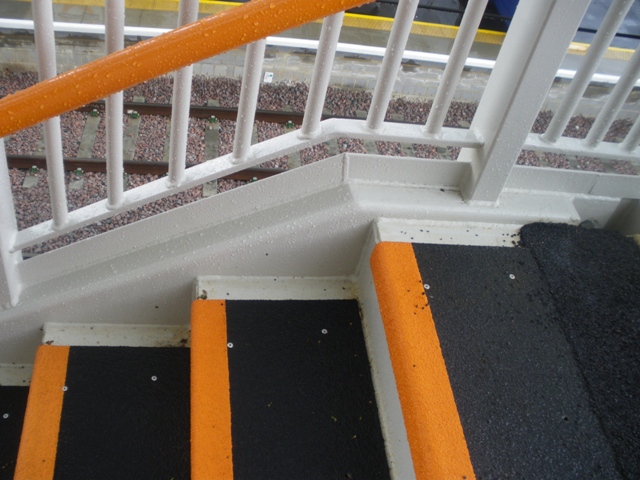 All GRP products are composed from a type of resin with glass fibres running through the material. The combination of these products gives a much greater strength than the sum of the two raw materials if they were used on their own. Waux® GRP Products are made from glass fibre strands in mat or woven form, isophthalic polyester resin and pigment. The Waux PhenGR!P® range is manufactured from phenolic resins which offer extremely high fire resistance and is therefore used in enclosed spaces such as the London Underground. All Waux® anti-slip products such as our VulcaGR!P® GRP Stair Treads, VulcaGR!P® GRP Flat Sheets, ZedSPAN® Structural GRP Stair Treads, Landings and Bridge Decks and many of our GridEX® GRP Gratings have an additional layer of silica carbide aggregate (grit) to form a high-performing anti-slip surface.
How are GRP Products manufactured?
Moulded/Hand Laid-up GRP Products
Products such as our GridEX® Grating are manufactured using moulds. The liquid resin flows into a mould and linear glass strands are pulled through the resin, before being left to cure.
Pultruded GRP Products
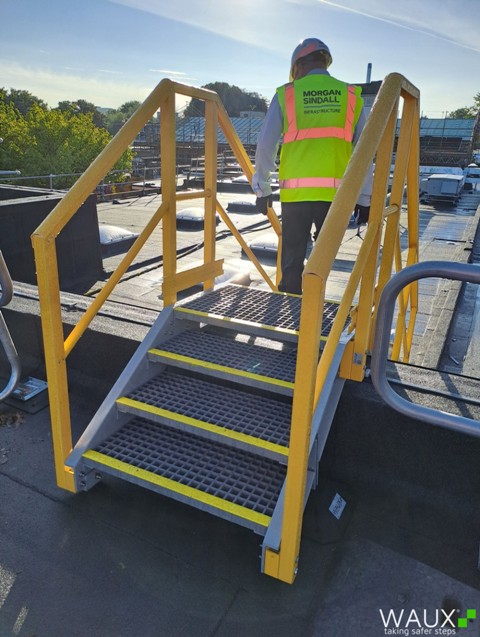
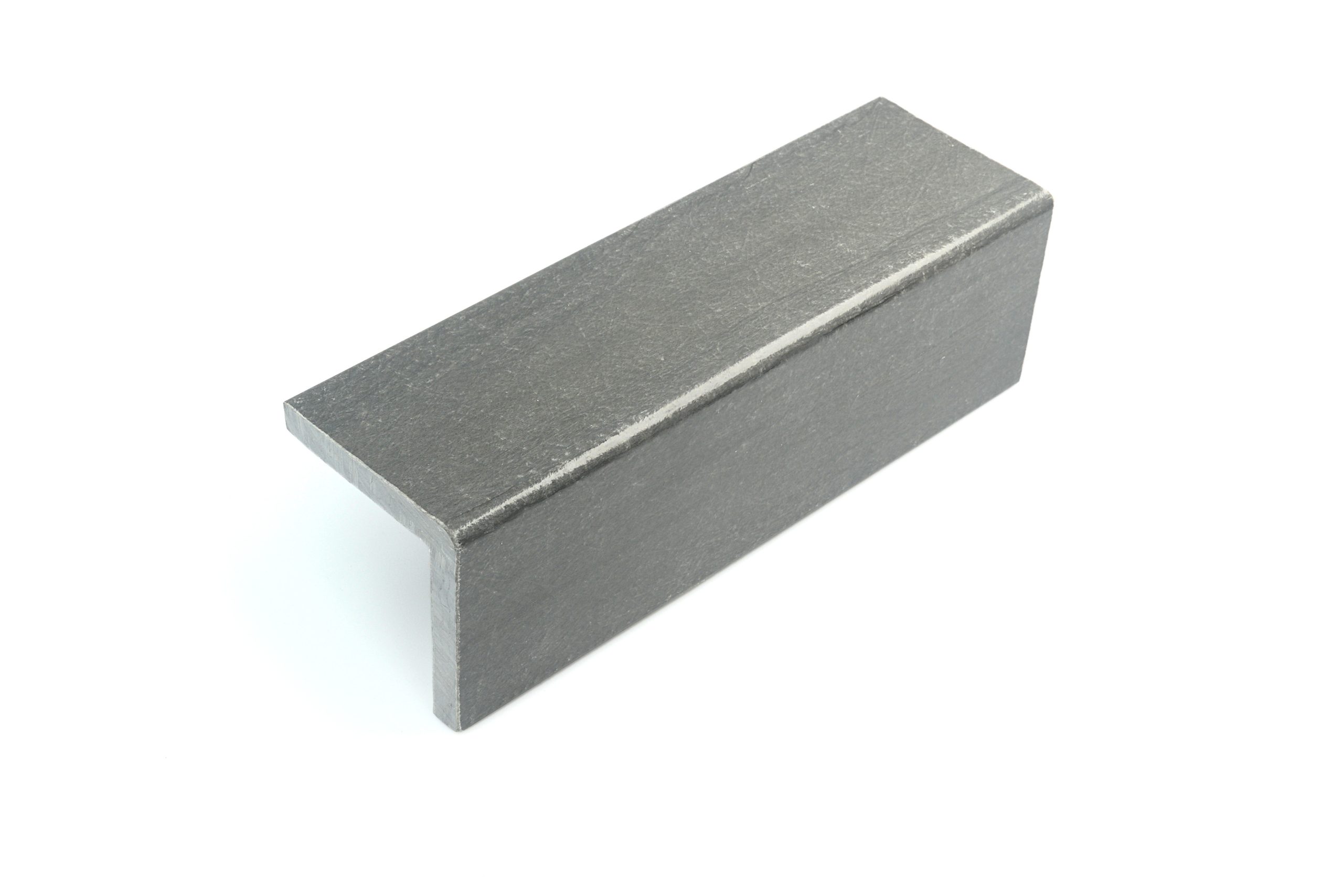 Where the end profile is the same throughout the product, such as in angle and channel, the product is likely to have been pultruded. Firstly, a tool called a die is developed to form the product. This is made in the shape of the cross section. Then the matting is fed into the die with the liquid resin and cures in the chosen shape. This method means that the product can be pultruded to various lengths. Waux have developed several unique, market-leading dies for our products, in particular for our ZedSPAN® Structural GRP Footbridge Range.
Why use GRP?
Just like steel, timber or aluminum, GRP is a very versatile material and can be used to form many products to serve different purposes. Many architects and contractors are making the switch from traditional materials to GRP, thanks to its unique features which offer significant benefits.
 ✓ Sustainability
As detailed in the further benefits below, GRP helps architects and contractors achieve high BREEAM ratings. GRP liner can be used to increase energy efficiency due to its high levels of thermal insulation, and the long design life of GRP mitigates the need for replacement materials. Waux constantly monitor our supply chain to assure quality and sustainability of the raw materials used in the manufacture of our products. Find out more about our commitment to sustainability.
✓ Design Life
Due to its durability and non-rot properties, GRP has a longer design life than most traditional materials, such as wood that rots quickly after water exposure. GRP structures and products are a worthwhile investment for future-proofing projects, and prove to be a cost-effective alternative in the long term.
✓ Chemical Resistant and Rot-Proof
GRP is very durable and does not rust, rot, or corrode – three major problems when using steel or wood. This means it is well suited for industrial, marine and substation areas where GRP can withstand the harsh side effects of the weather and exposure to water and chemicals.

✓ Low Maintenance
Waux GRP systems and products require very little maintenance. A periodic cleaning regime is recommended, and information is available on technical data sheets.
✓ Non-conductive
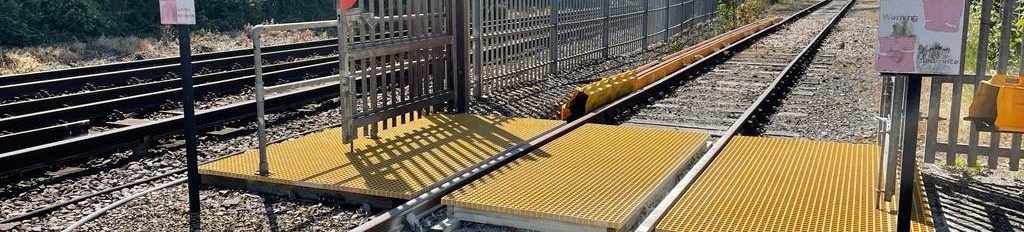
GRP does not conduct electricity, unlike steel and aluminium, meaning that it is commonly used in high-voltage areas. GRP has been used within the Rail Industry for many years and is now quickly finding its popularity in the Construction Industry for its practicality in plant rooms.
✓ Weight
GRP is up to 75% lighter than steel, requiring only two people to lift a 3660mm x 1220mm piece of open mesh 38mm GridEX® GRP grating. This reduces labour and lifting machinery expenses.

✓ Strength
The lightweight properties of GRP do not compromise its strength as GRP has up to 3x the strength to weight ratio of steel. Waux holds external load test certificates for products such as ZedSPAN®, and regularly conducts in-house testing to verify the strength of our systems. Certificates and reports are available on request, contact us.
✓ Versatility
GRP can be formed into many products. Once a die is produced, there is little limit to the length of a section that can be pultruded. Our direct collaboration with Contractors and Architects means our in-house technical team constantly innovate and design systems to overcome practical issues faced on site. If you are facing a problem with traditional materials, contact us today to discover if Waux can produce an alternative solution!
✓ Anti-Slip Surface
Waux GRP flooring products have a gritted surface which mitigates the risk of slipping. Public and employee safety is of utmost importance, and according to the HSE, slips, trips and falls account for 30% of non-fatal workplace related injuries. Waux anti-slip products have been tested to BS 7976:Part 2:2002 M and receives an exceptional PTV (pendulum test value) of 81 in wet conditions. Read more about our superior anti-slip surface.
✓ Low Scrap Value
Metal structures and stair nosings are often subject to theft as they can be melted down. Once installed, GRP does not hold scrap value as it is only suitable for the purpose of its application.
Although GRP is comparatively new to the market, it is fast proving itself as the chosen material to complement or replace traditional materials such as steel and timber. If you have any further questions, contact our technical team today!
Sign up to receive industry-focused insights, latest projects and new product launches
